

This year’s conference responds to a growing public-health concern that affects individuals, families, and communities across every stage of life. Loneliness and social isolation have been linked to increased risk of depression, anxiety, substance use, chronic illness, and premature mortality, with impacts comparable to other well-established health risk factors. Data from national public-health agencies underscore that loneliness is not confined to one age group or circumstance, it shows up differently for youth, working-age adults, caregivers, and older adults, shaped by social change, technology, trauma, inequity, and disrupted community connection. As systems struggle with workforce shortages, rising mental-health needs, and fragmented supports, addressing loneliness has become both an urgent clinical issue and a shared societal responsibility.
Our conference will bring together practitioners, educators, researchers, students, and community members to explore how loneliness manifests across the lifespan and how connection can be intentionally cultivated in clinical practice, schools, workplaces, families, and neighborhoods. Through research-informed insights, lived experience, and practical strategies, participants will leave better equipped to recognize loneliness, reduce stigma, and strengthen protective factors that promote belonging and well-being. Save the date and plan to attend to deepen understanding, share solutions, and be part of a collective effort to move from isolation toward connection together.
Registration opens Monday, April 13. Visit the full event page to learn more.
Panel Information
Our compelling panel brings together research, clinical practice and lived experience to explore how loneliness takes shape across the lifespan and why it has become one of the most urgent and misunderstood public health challenges of our time. From adolescence to older adulthood, from caregiving to career disruption, panelists will examine how social change, life transitions, and cultural expectations quietly erode connection, often in ways that go unnoticed. Through evidence, real-world insight, and personal storytelling, the conversation will illuminate how loneliness shows up in everyday life and where meaningful opportunities for reconnection exist, setting the stage for a powerful, human-centered discussion.
Panel presentations will be followed by a thoughtfully moderated interactive Q&A.
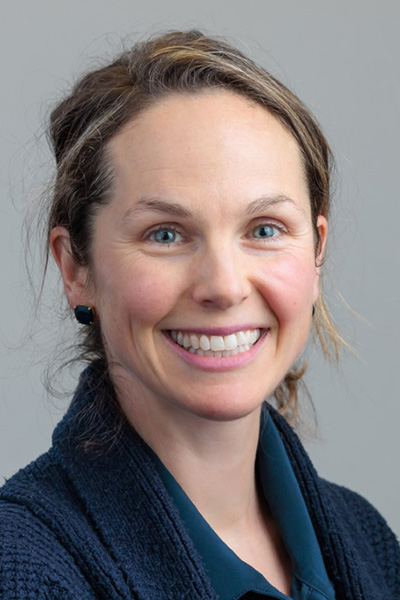
Nell Compernolle, PhD
Nell Compernolle is a Senior Research Scientist at The Bridge at NORC at the University of Chicago and a sociologist whose work centers on the structural drivers of loneliness and social connection. She studies how social, cultural, and technological shifts shape the ways people build relationships, experience isolation, and seek support.
Nell’s current research examines the antecedents of loneliness, pathways to prevention, and opportunities for community-level intervention. She also investigates the expanding role of the digital realm; how online environments can both foster belonging and deepen disconnection. Her work includes a collaborative project with Dr. Louise Hawkley tracing the evolution of momentary loneliness over time, culminating in a forthcoming book chapter scheduled for release in 2026.
As a panelist, Nell will help ground the conversation by explaining how loneliness is commonly defined and understood, and how researchers study it. She will connect these foundations to broader social trends and everyday realities shaping loneliness today, and highlight creative, emerging opportunities to reduce isolation and strengthen connection, particularly in digital and online spaces.

Sarah Bier, PMHNP-BC, CNM-FPA, APN
Sarah Bier is a certified nurse midwife and psychiatric nurse practitioner at Psychiatry Studio. Her clinical work spans the full lifespan, with a particular focus on how life transitions influence mental health and connection. In her practice, she supports individuals navigating loneliness and isolation during adolescence, parenthood, perimenopause, and older adulthood, periods marked by profound hormonal, identity, and relational shifts. To support her clients, Sarah integrates therapy, medication management including hormonal replacement therapy, lifestyle interventions, and social-support strategies to help clients rebuild connection and strengthen well-being.
As a panelist, Sarah will bring a grounded clinical perspective on the barriers adults face in forming and sustaining meaningful relationships, the impact of modern work and family pressures on social connection, and the ways stigma prevents people from seeking support. She will also address how cultural expectations, gendered roles, and the realities of caregiving amplify loneliness for many, and offer practical approaches for fostering community and resilience across life stages.

Erin Arnheim, BBA, M.Ed.
Erin Arnheim brings a powerful, personal perspective on loneliness shaped by major life transitions that began in childhood, resurfaced during her journey as a foster parent, and then again during a career upheaval and the search for belonging in mid adulthood. After more than two decades in financial services, Erin experienced a season of profound professional and personal change that left her feeling isolated and unmoored. She speaks openly about how unemployment, identity loss, and disconnection can quietly accumulate, even in lives that “appear” full and successful on the outside.
Through this season, Erin rediscovered the grounding force of simple, meaningful connection. Time with family, sometimes natural and other times chosen, helped her reconnect to presence and joy. As she rebuilt her life and transitioned into mission-driven work, she formed deep, lasting friendships within purpose-centered communities. Her story is a reminder that belonging is not something we outgrow, and that it can be rebuilt at any stage of life.
Now the founder of Lense Advisory, Erin leads with empathy, compassion, and a deep commitment to creating environments where people feel seen, supported, and connected. As a lived-experience speaker, she shares her journey through loneliness, the courage it takes to fight for joy, and the power of choosing quality relationships over quantity. Her story offers hope, authenticity, and a reminder that reconnection is possible even in the most challenging seasons.

Moderator, Dr. Alisha DeWalt serves as Dean of the College of Graduate and Professional Studies at The Chicago School, where she leads academic strategy, program development, and operational initiatives across a broad portfolio of graduate programs. In her role, she works closely with faculty and institutional leaders to advance academic innovation, expand access to graduate education, and strengthen the student experience from inquiry through graduation.
